The story of 668 Glenbrook Road begins not with architecture, but with invention.
In 1856, Charles Henry Phillips — an English pharmacist of uncommon ambition
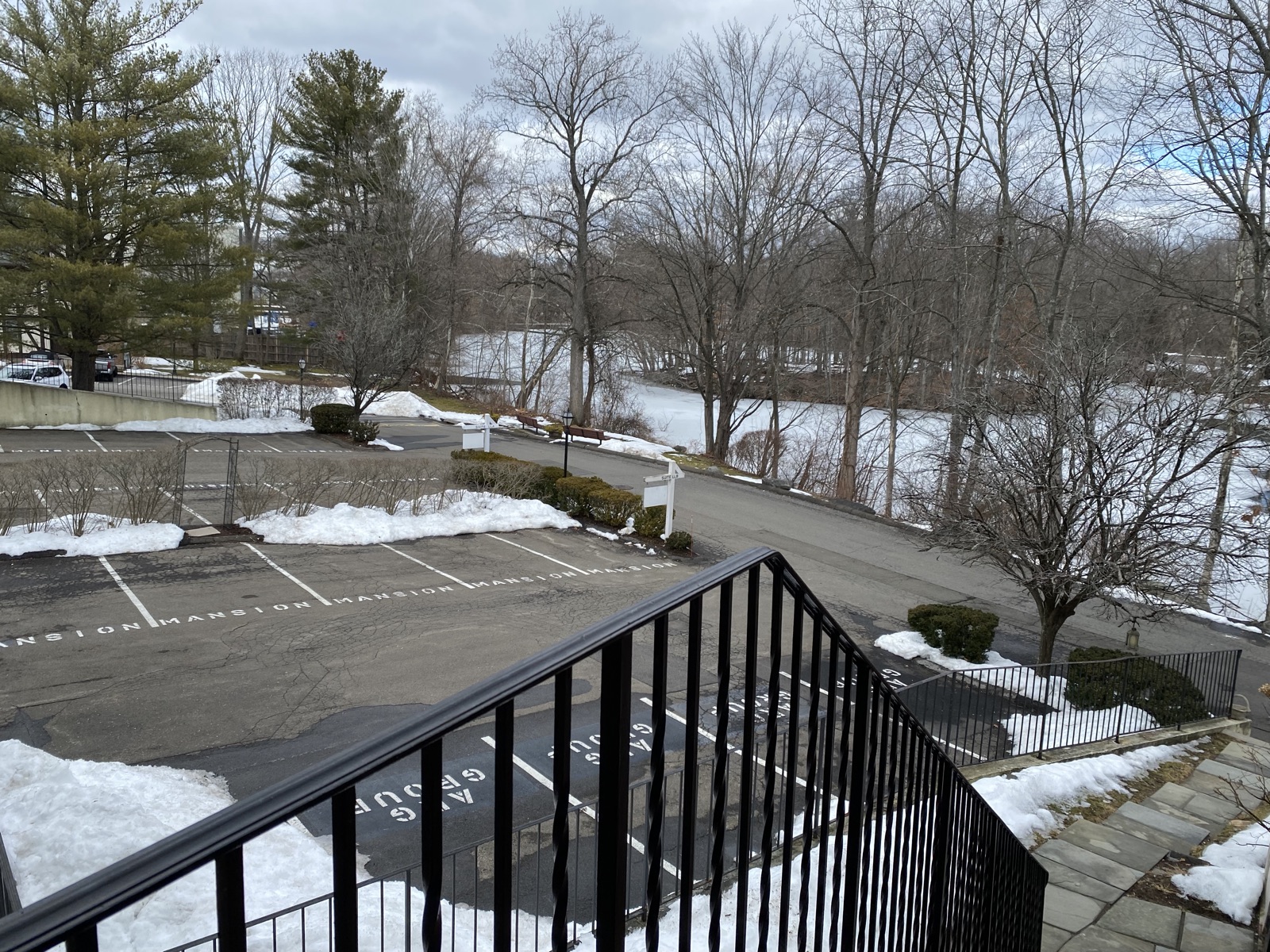
— established his camphor and wax factory along the banks of the Noroton River.
It was one of Stamford's earliest industrial operations, and the product it would make
famous was still years in the making.
Phillips went on to develop the compound that would bear his name in medicine cabinets
across the country: Phillips' Milk of Magnesia. The factory he built here, the
Phillips Camphor and Wax Company, operated for more than a century —
eventually acquired by Sterling Drug, running continuously until 1975–76.
"The largest and most extravagant dwelling still standing in Glenbrook."
Glenbrook, Stamford — local historical record
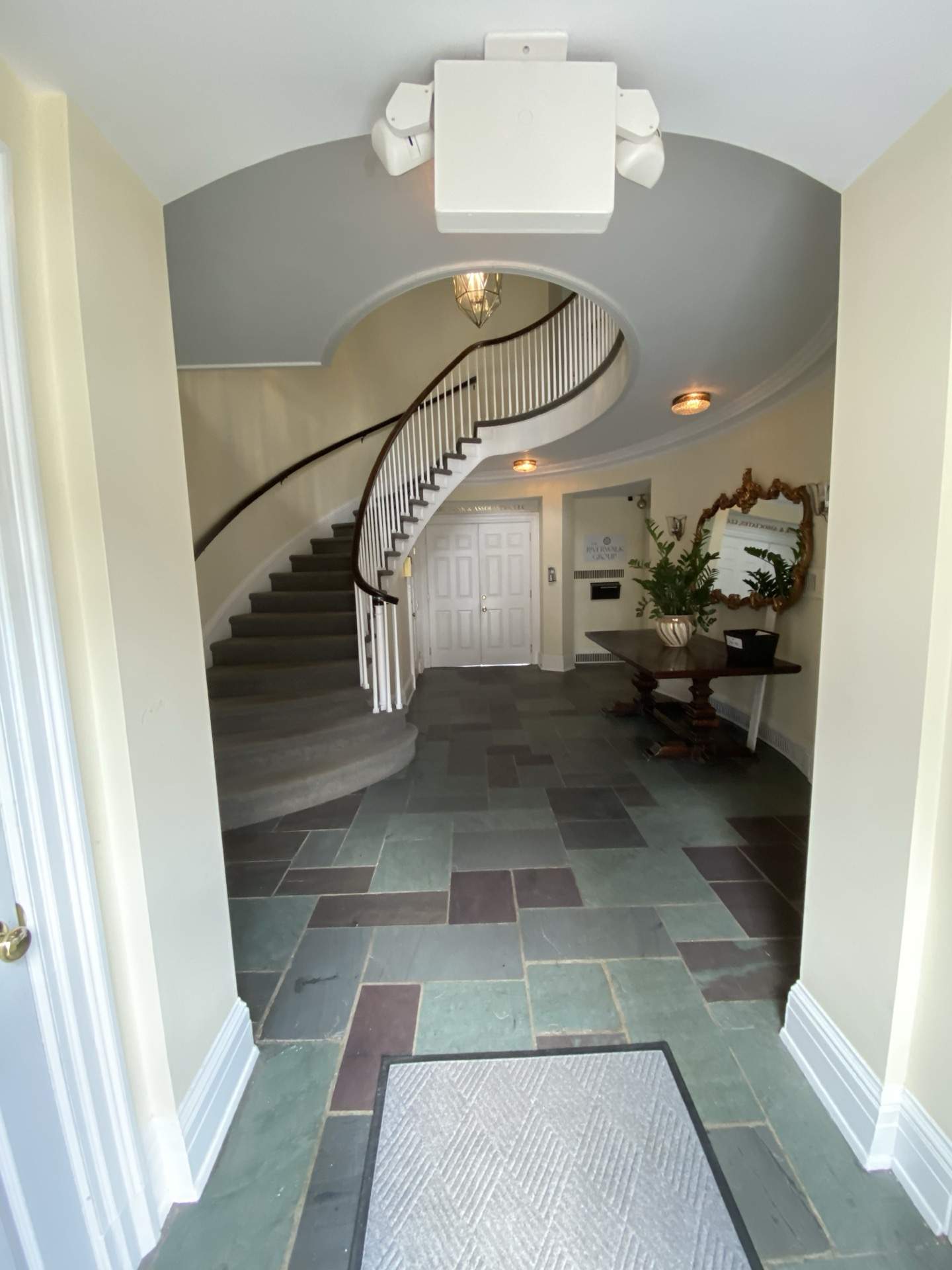
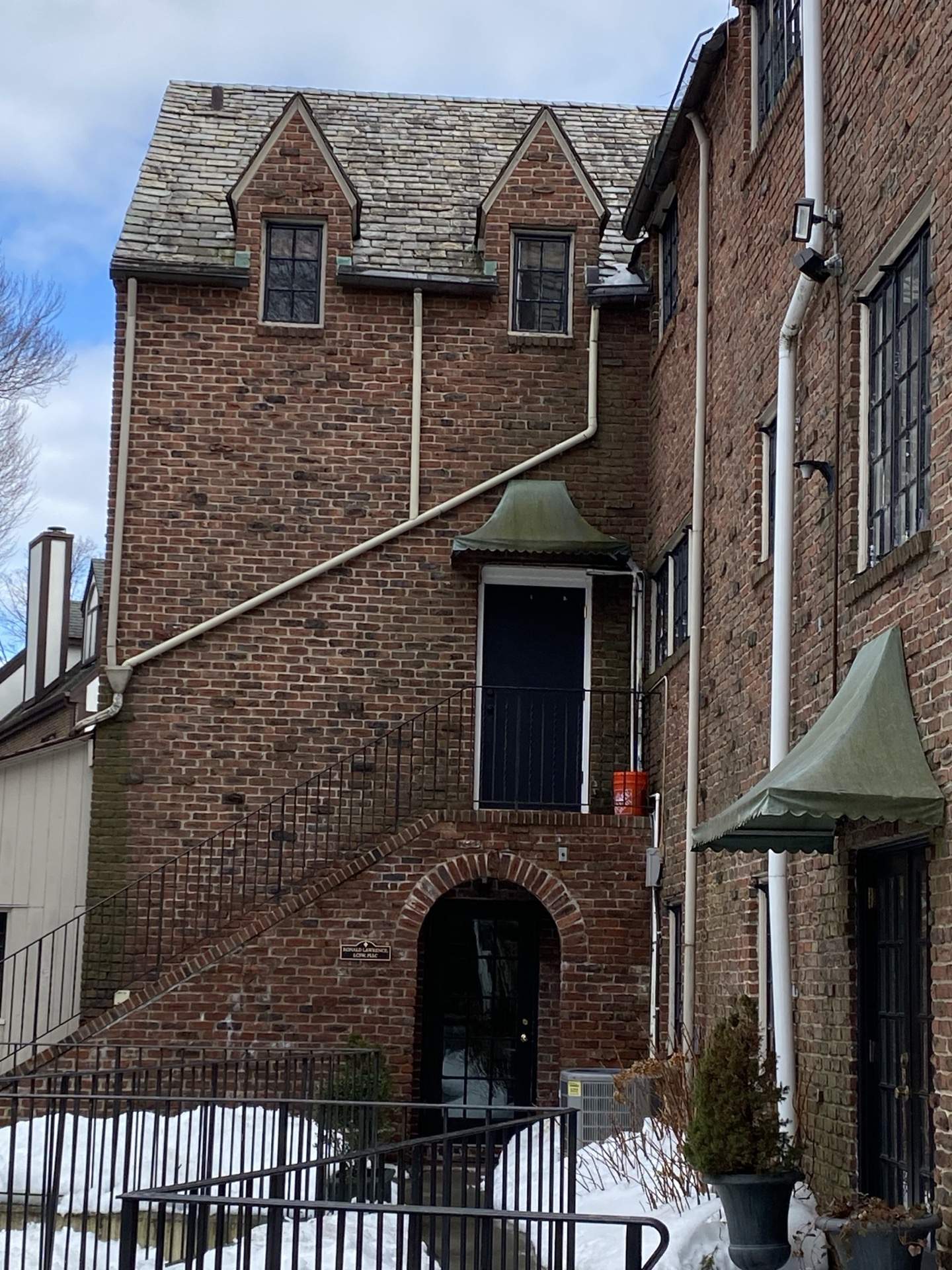
The mansion itself — known as the Gladys Phillips Crofut mansion,
named for a member of the Phillips family — was built on the grounds of this
same property. Its English Tudor architecture: the steeply pitched rooflines, the
patterned brickwork, the stone detailing and heavy timber framing, was not
accidental grandeur. This was a family at the height of its influence, building
accordingly.
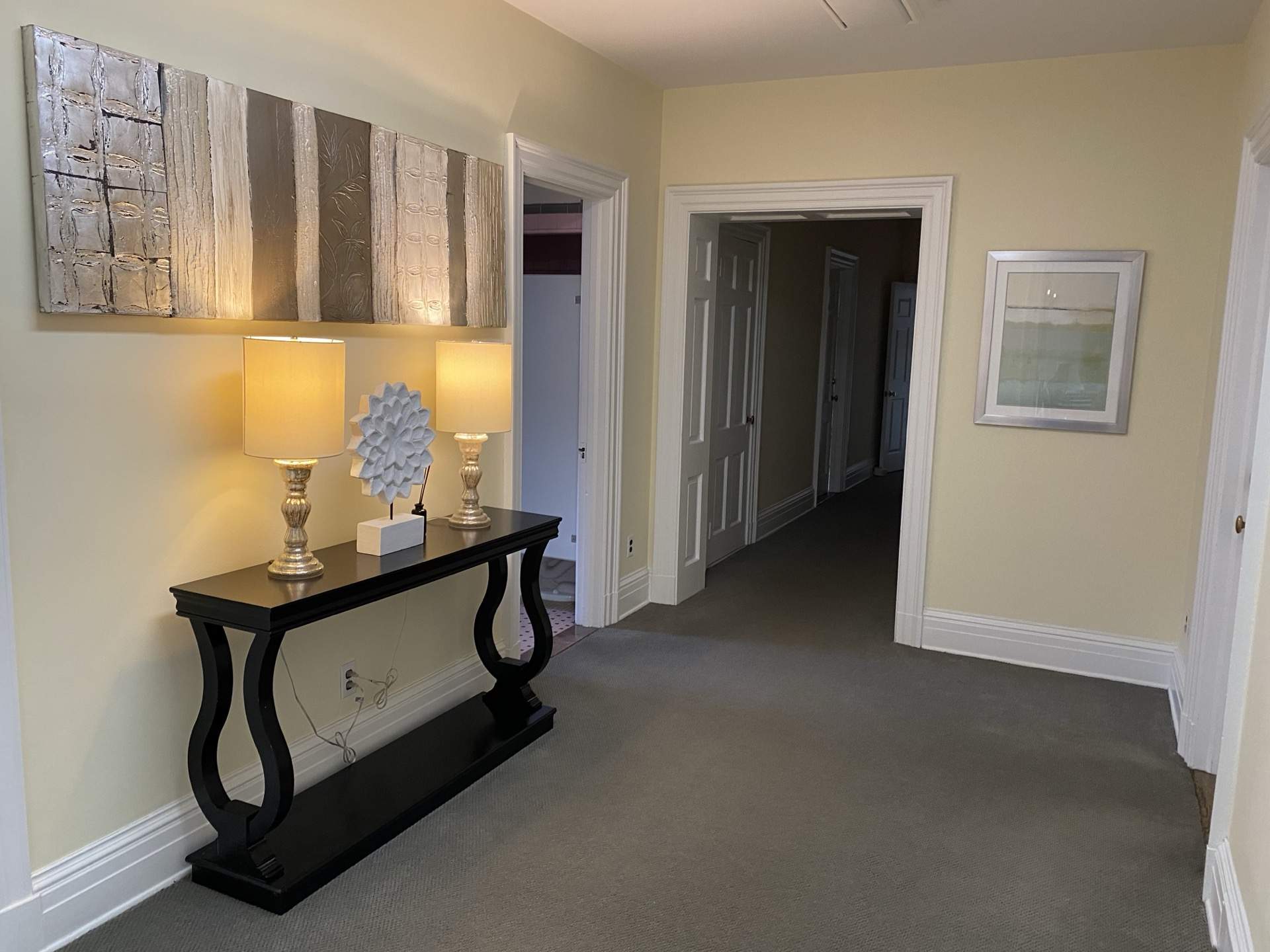
At approximately 17,000 square feet, it remains the largest and most extravagant
dwelling still standing in the Glenbrook neighborhood. Very few buildings of its
scale and character survive intact in southwestern Connecticut.
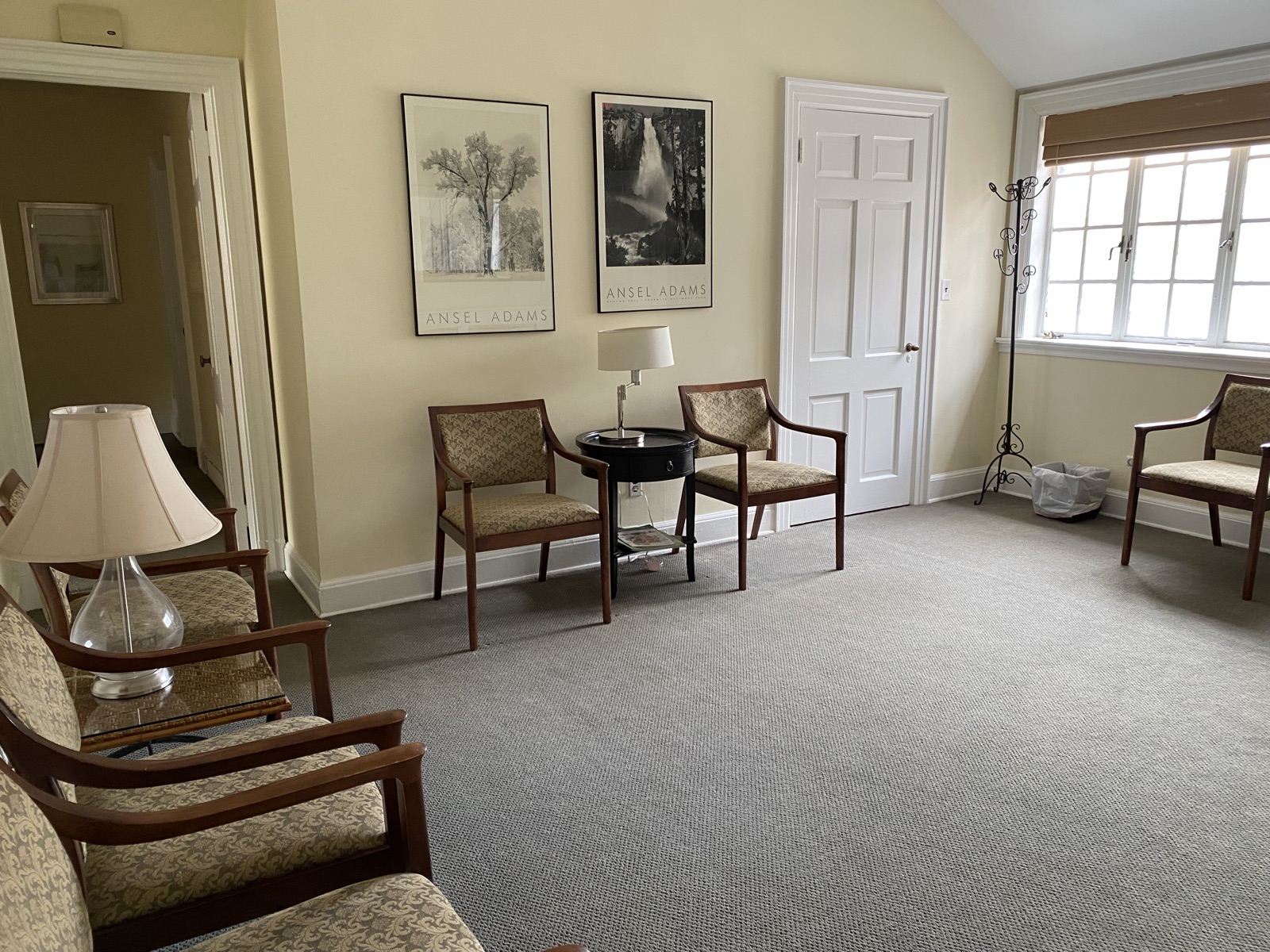
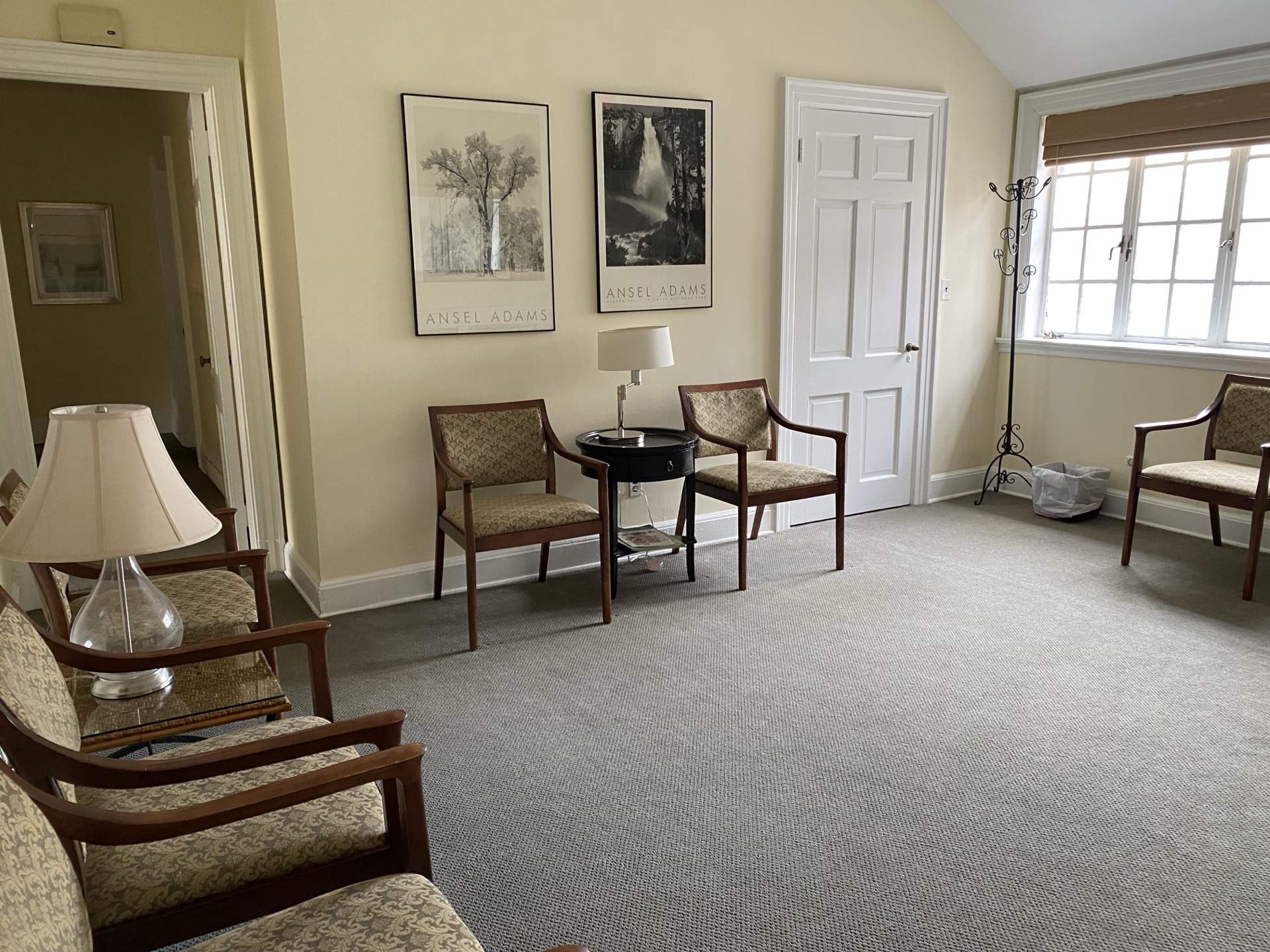
Today, 668 Glenbrook Road continues its tradition as a place where serious work
happens in serious surroundings.